
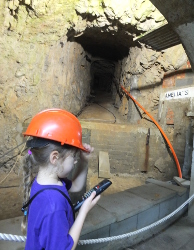
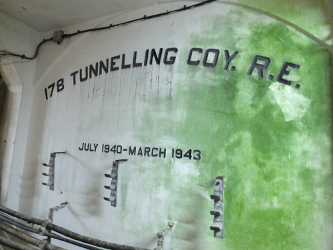
At the start of the war the civilians of Gibraltar were evacuated. The garrison was increased to 16000 people, and new tunnels were excavated through the rock to provide storage and accomodation. We went on a guided tour through a small section of these vast tunnels.
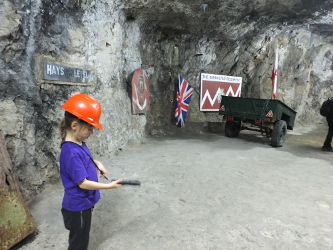
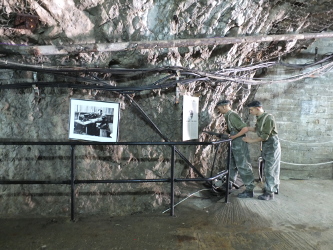
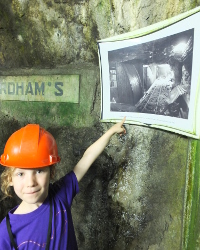
For us the tunnels were well lit, but during WW2 the sheer scale of the tunnels meant they only had the resources to provide limited lighting per section, so it would have been dark and damp. It would also have been loud, with motorbikes being used to travel from one end to the other. Henry spotted railway tracks in one of the old photographs.
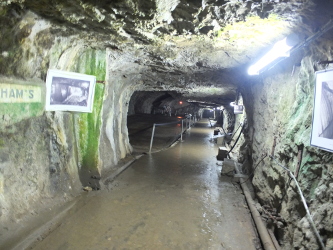
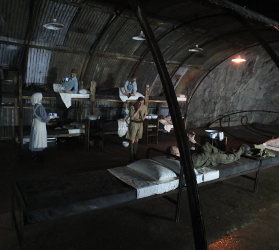
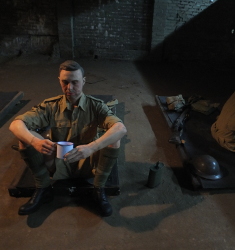
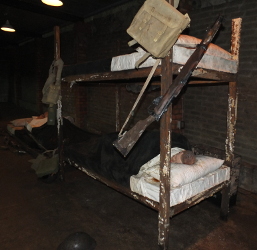
The tunnels were home to a hospital, and over crowded sleeping quarters (soldiers had to share beds, swapping with those on duty).
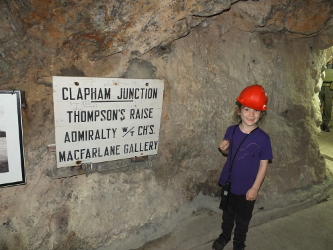
It took three years to complete the tunnels. This section was known as Clapham Junction, named after the railway because it was a section that connected the major routes through the tunnel.
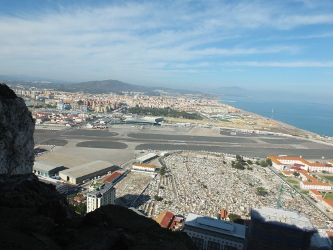
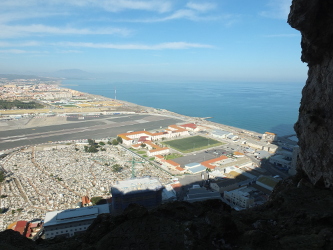
The view from "Jock's Balcony", an observation point built by the Scottish Black Watch.
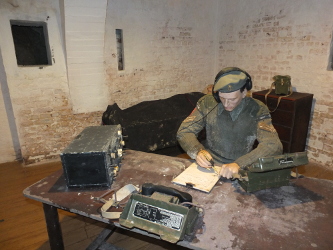
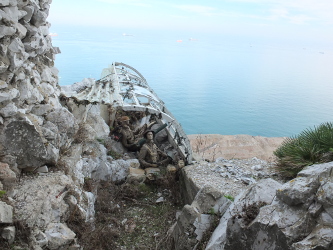
There was also a secret WW2 room built in the earlier seige tunnels, and an external gun post that could be reached from these older tunnels.
The British Royal Forces still use part of the tunnel complex to this day.