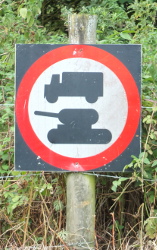
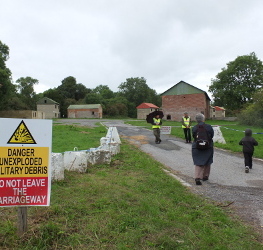
The residents of Imber village were ordered to evacuate their homes towards the end of 1943. The area surrounding Imber was being used by the military to practice war manoeuvers and the village was no longer considered safe. Residents were led to believe they would return after the war, but the army retained the site. Since then it has been used as a military training ground. Thanks to pressure from former residents and their descendants, the army allows public access to Imber on a limited number of days each year. Signs of military use are easy to spot, and relatively little of the original village now remains.
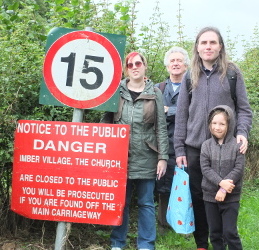
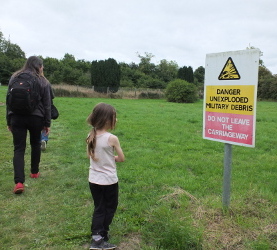
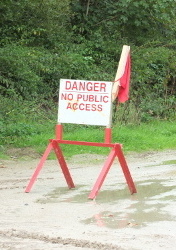
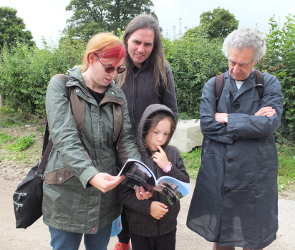
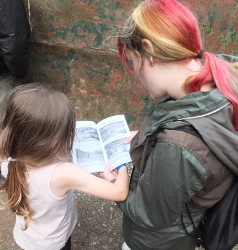
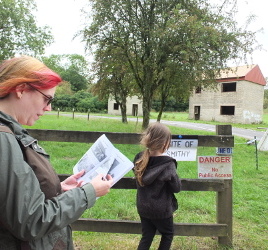
Before visiting we watched a documentary about Imber. On the day we walked through the village armed with a book showing photographs of the village before evacuation.
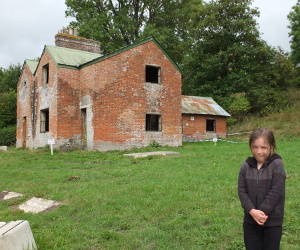
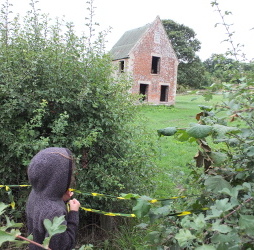
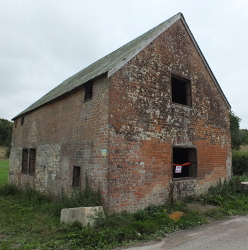
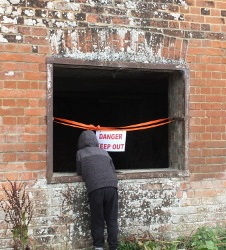
The brewery who owned the Bell Inn continued to renew its licence well into the 1960s, hoping that the residents would be able to return. Sadly the Bell Inn is very unlikely to ever serve a pint again.
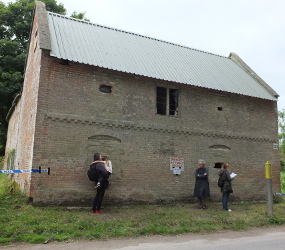
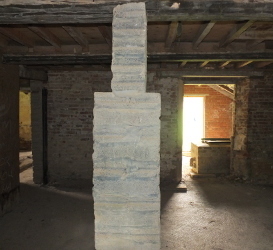
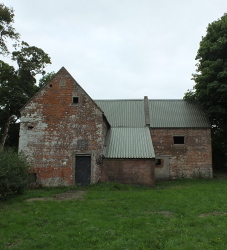
Imber Court was clearly an impressive building at one point, but is now somewhat past its hayday.
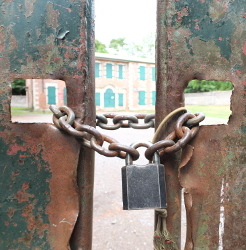
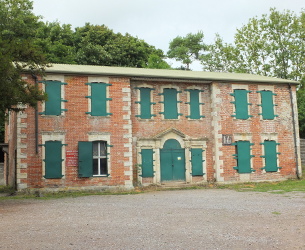
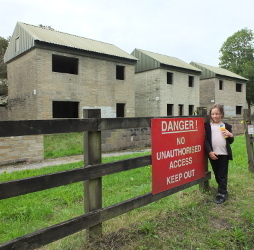
Some houses were knocked down and replaced with purpose built houses for military training.
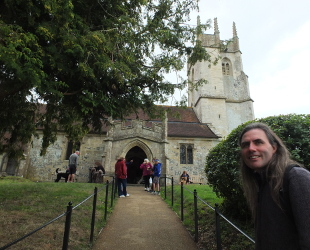
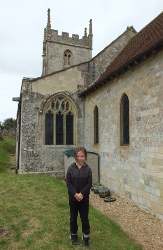
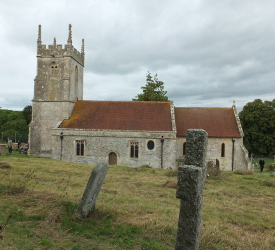
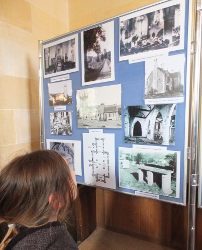
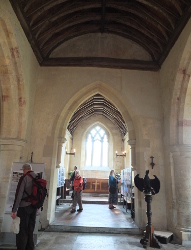
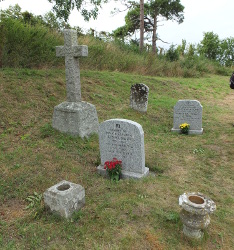
The church is the only building visitors can enter. It had history displays inside and sold drinks and cakes. In the graveyard I found it rather emotional to observe that some ex-residents have made Imber their final resting place, despite being banished for decades.
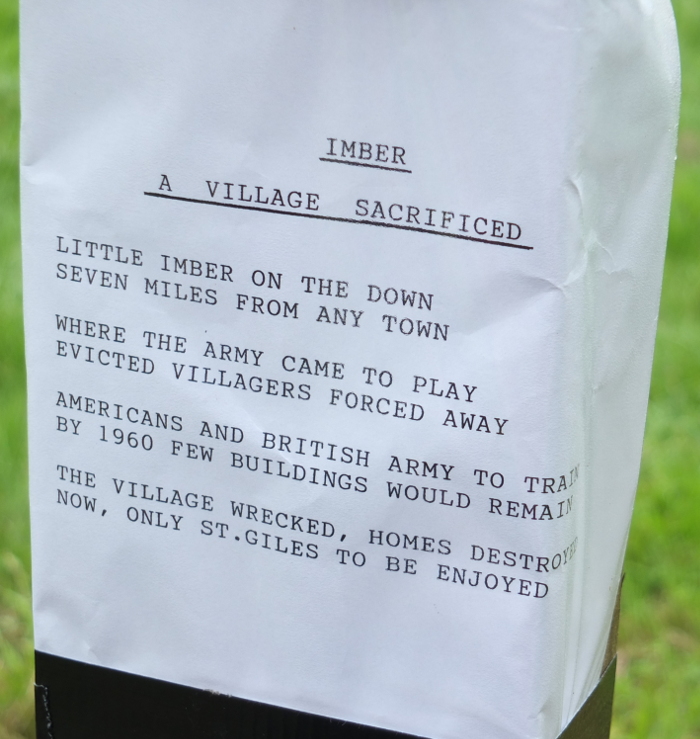
Imber is a strange place to visit. I thought an abandoned village might feel creepy, but though the buildings are in ruins, Imber does not feel abandoned. Hand made signs tell visitors what was once there, the graveyard was still used, Friends of Imber serve tea in the church, and we found this poem stuck to a post. Imber is a village that ressonates with the sadness and betrayal of its former community. Though they were forced out, the community never really abandoned the village. An echo of their spirit remains there still.